


Did you know that over 95% of Indian college students graduate with a CIBIL score of zero? And did you know that a zero CIBIL score means banks will reject your home loan, car loan, and even your mobile EMI plan — right when you need it most?
Here is the good news: you do not have to wait until you get a job to start building your credit score. You can start today — in college — and graduate with a CIBIL score of 700 or above. This guide shows you exactly how.
What is a CIBIL Score and Why Does It Matter?
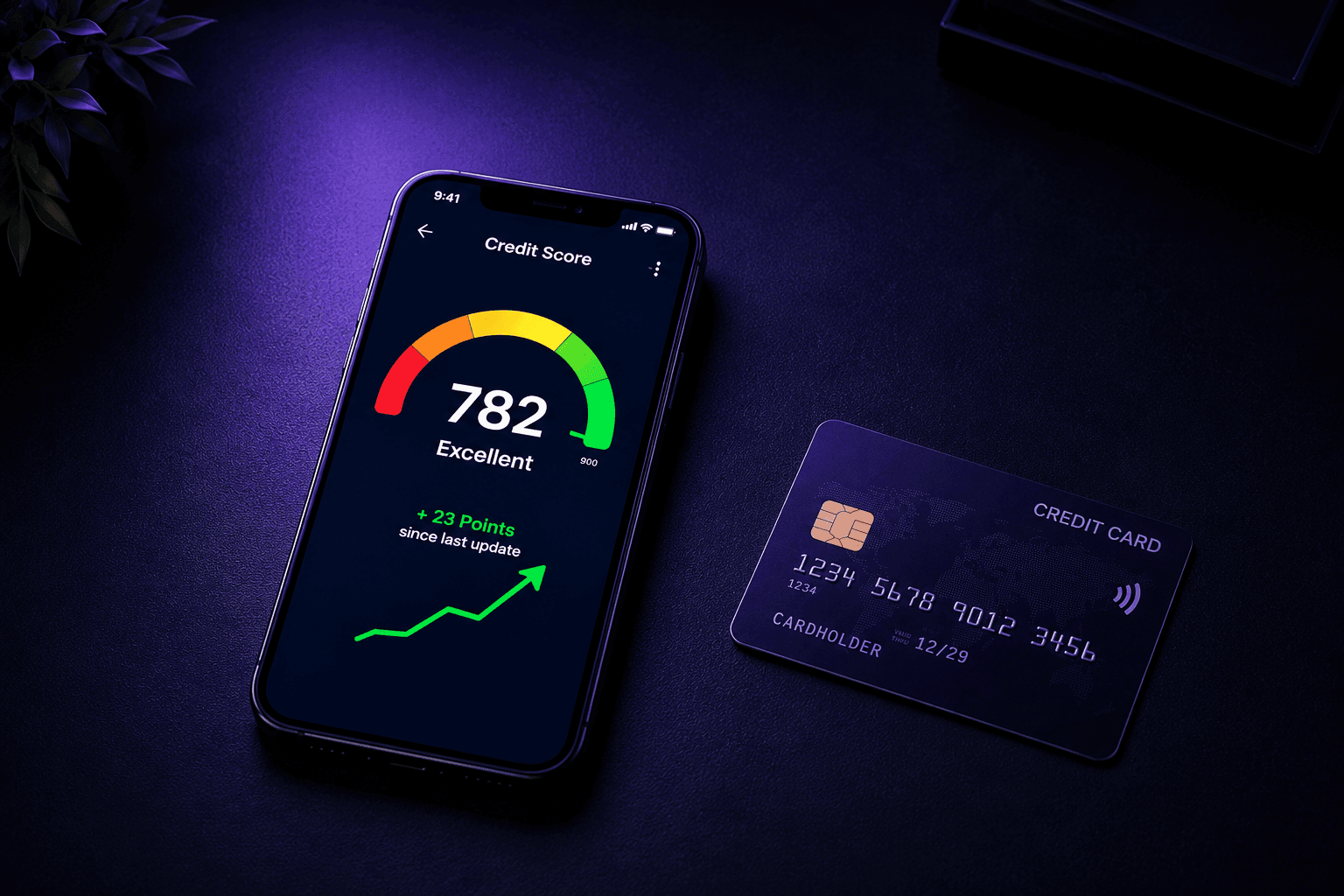
Your CIBIL score is a three-digit number between 300 and 900 that represents your creditworthiness. Banks use this number to decide whether to give you a loan and at what interest rate. A score above 700 is considered good. A score above 750 is excellent.
When you graduate and apply for a personal loan, home loan, or even a credit card — the bank’s first question is: what is your CIBIL score? If you have none, the answer is rejection. If you have 750+, you get approved instantly at the lowest interest rate.
Why Most Students Have Zero Credit Score
The problem is simple. To build a CIBIL score, you need a credit product — a credit card or a loan. But to get a credit card or loan, banks want proof of income. As a student, you have no income. So banks refuse you. And because banks refuse you, you graduate with zero credit history. This is the credit trap that millions of Indian graduates fall into every year.
The Solution: Start Building Your Score in College
Step 1 — Get a Secured Student Credit Card
A secured credit card requires a small fixed deposit — usually ₹2,000 to ₹5,000 — as collateral. No income proof needed. No job required. InterBuddy’s IB Card is India’s first student credit card designed for exactly this. It is issued in partnership with an RBI-regulated NBFC, starts with a ₹2,000 limit, and every on-time payment is reported to CIBIL.
Step 2 — Use It for Small Regular Expenses
Do not use your credit card for large purchases. Use it only for small, regular expenses — like your monthly mobile recharge or a canteen meal. This keeps your credit utilisation below 30%, which is the golden rule of credit building.
Step 3 — Pay the Full Bill Every Month
This is the most important step. Pay your entire credit card bill before the due date every single month. Never pay just the minimum amount. Every on-time full payment adds to your credit history and improves your score.
Step 4 — Check Your Score Every 3 Months
Monitor your CIBIL score regularly using the InterBuddy app. Tracking your score helps you catch errors early and stay motivated as you watch it grow.
PROJECTED RESULT: A student who follows these four steps from Year 1 of college will have a CIBIL score of 650 to 750 by graduation — making them eligible for home loans, car loans, and premium credit products from Day 1 of employment.
How InterBuddy Makes This Easier
InterBuddy is the only student platform in Tamil Nadu that combines a physical credit card, CIBIL tracking, and financial literacy education in one free app. The IB Card is delivered to your address, managed entirely through the InterBuddy app, and comes with zero annual fee. Every swipe builds your financial future.
Final Thought
The best time to start building your CIBIL score was four years ago. The second best time is today. Download the InterBuddy app, activate your IB Card, and give yourself the head start that most Indian graduates wish they had.
Ready to start? Download the InterBuddy app free at interbuddy.in and apply for your IB Card today.